Improving Comfort and Energy Savings in Classic Properties Through Proven Insulation Solutions
Wiki Article
Maintaining a cozy interior environment in classic houses can be challenging due to traditional construction components and architectural practices. Many heritage homes were constructed with little consideration for contemporary energy performance requirements, resulting in spaces in partitions, flooring, and lofts that allow warmth to leak during cool seasons or penetrate during warm seasons. Effective strategies play a crucial part in addressing these challenges. By selecting the appropriate insulation materials and techniques, homeowners can substantially minimize energy loss while maintaining a more stable living environment. Understanding the specific characteristics of classic properties is essential to confirm that thermal improvements are both beneficial and appropriate to the property’s architecture.
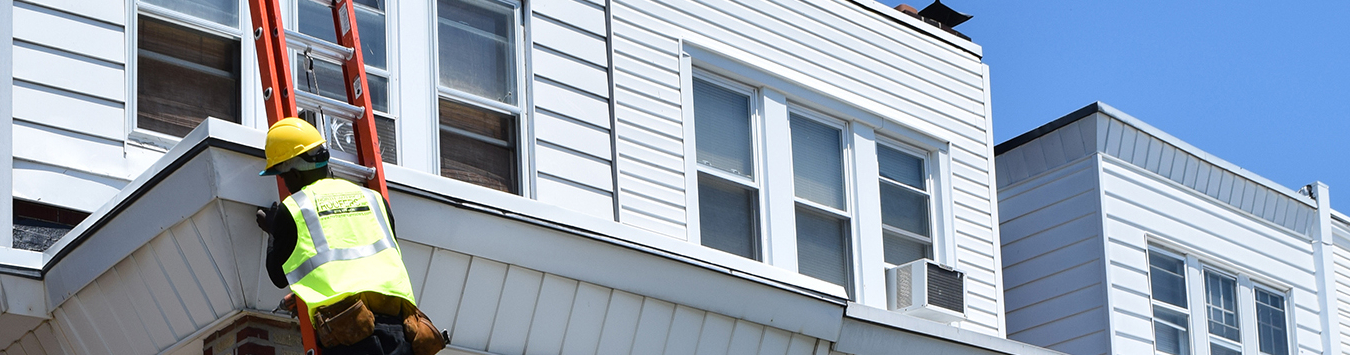
Barriers, attics, and basements are the main sections where heat retention can boost resource effectiveness in vintage properties. Attic insulation is often the most impactful, as heat naturally rises and can readily exit through the top structure if not adequately protected. Applying heat barriers to barriers, either through blown-in cellulose or foam panels, can reduce drafts and maintain a consistent indoor climate. Basement and underfloor energy barrier reduces humidity and low temperatures from penetrating into the occupied rooms. Effectively positioned energy barriers in these sections not only enhances warmth but also minimizes load on heating and cooling systems, leading to decreased power expenses and optimized overall efficiency.
Windows and doors in heritage properties often increase heat loss, even when the primary insulation is upgraded. Old sites windows, spaces around doors, and deteriorated weatherstripping let drafts to escape freely, undermining other thermal retention improvements. Applying seals, secondary glazing, or energy-efficient replacements can help limit heat loss and preserve warmth or cool air more effectively. In conjunction with partition and attic energy protection, these upgrades create a more holistic approach to managing interior climate. Effective sealing also helps reduce condensation, which can harm structural wood and affect the property’s strength.
Selecting insulation materials for classic homes requires thoughtful consideration of the structure’s age, design, and original elements. Products such as recycled cellulose, rock wool, or foam insulation provide different benefits depending on the application and purpose. Eco cellulose is often selected for its sustainable structure and effectiveness to conform to nonstandard walls. Stone wool delivers high flame resistance and soundproofing, which can be valuable in older houses with limited wall depth. Polyurethane spray forms a strong barrier that successfully prevents drafts but may need specialized installation to reduce damage to delicate surfaces. Understanding these recommended read options allows property owners to select appropriately that integrate thermal retention, interior comfort, and structural care.
Consistent care and correct installation are critical to optimize the advantages of insulation upgrades in vintage properties. Monitoring for openings, flattening, or settling over time maintains that the energy protection functions properly. Integrating thermal upgrades with other power-saving solutions, such as programmable thermostats or upgraded HVAC systems, improves warmth and lowers utility costs. By implementing proven insulation methods, homeowners can protect the historic value of their vintage properties while establishing a living environment that is thermally efficient in winter, thermally efficient in summer, and more energy-efficient throughout the year.